
When it comes to keeping your home warm and cosy, not all firewood is created equal. One of the most common questions we hear at Ecoblaze is: what’s the difference between hardwood and softwood firewood? Understanding these differences can help you choose the best logs for your wood burner, stove, or open fire - ensuring you get the most heat and value from every burn.
What Is Hardwood Firewood?
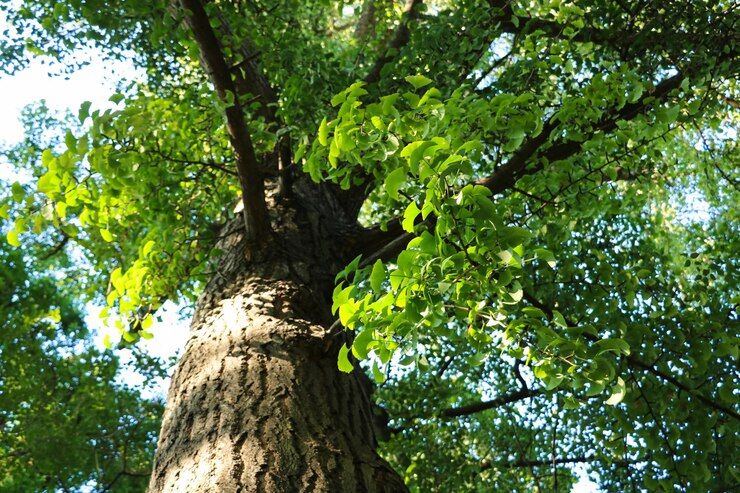
Hardwood firewood comes from deciduous trees like oak, ash, and birch - trees that lose their leaves each year. These species grow slowly, resulting in wood that is denser and heavier, with a tight grain. This density is what lies behind hardwood’s long-lasting, high-output heat.
Benefits of Hardwood Firewood
- Long-Lasting Heat: Dense hardwood burns slowly and steadily, so you spend less time refuelling and more time enjoying steady warmth.
- Higher Heat Output: More energy per log means hardwood delivers a powerful, reliable heat, ideal for colder winter nights.
- Clean, Efficient Burning: Clean, Efficient Burning
- Better Value Over Time: Because hardwood burns longer and hotter, you get more usable heat from each log. This makes it a cost-effective, sustainable choice for home heating.
When dried to a moisture content below 20%, as all our firewood is, hardwood becomes a high-performance, low-emission fuel perfect for log burners, stoves, open fires and any situation that calls for consistent, long-lasting warmth.
How Does Softwood Compare?
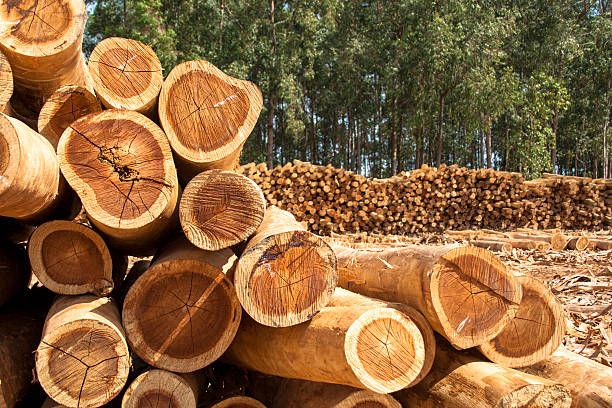
Softwood firewood comes from coniferous trees like pine, spruce, and fir. These trees grow quickly, resulting in lighter, less dense wood with a looser grain. While softwood is excellent for kindling and quick starts*, it is less suited for cosy evenings by the fire.
Softwood Firewood: Pros and Cons
- Quick to Ignite, Quick to Burn: Softwood lights easily but burns fast, requiring more frequent refuelling.
- Lower Heat Output: Less dense wood means less heat per log, so you’ll need to burn more to keep warm.
- More Smoke and Residue: Higher resin content leads to more smoke and creosote, which can clog chimneys and affect indoor air quality.
While softwood is often cheaper upfront, it’s less efficient and may cost more in the long run because of frequent top-ups and extra cleaning.
Hardwood vs Softwood: Key Differences at a Glance
| Feature | Hardwood (e.g. Oak, Ash, Birch) | Softwood (e.g. Pine, Spruce) |
|---|---|---|
| Density | High | Low |
| Burn Time | Long, steady | Quick, burns out faster |
| Heat Output | High (more BTUs per log) | Lower (less energy per log) |
| Ease of Lighting | Needs more effort to light | Lights quickly and easily |
| Smoke & Resin | Less smoke, low resin | More smoke, high resin |
| Creosote Buildup | Less | More (can increase chimney risk) |
Why Choose Ecoblaze Hardwood Logs?
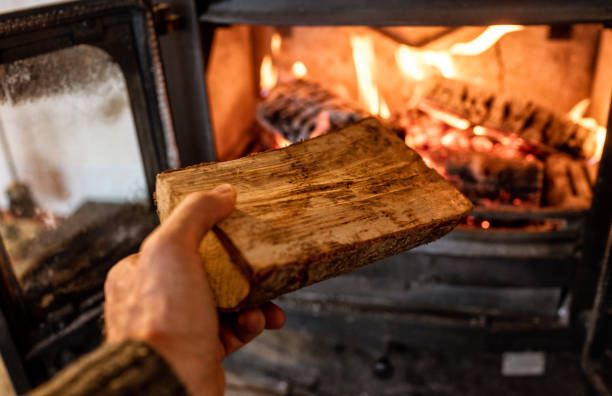
At Ecoblaze, we believe in delivering only the finest, sustainably sourced hardwood firewood. At All our hardwood logs are dried to below 20% moisture and certified Ready to Burn, ensuring a clean, efficient, and eco-friendly burn every time. Every log provides maximum heat, minimal smoke, and outstanding value.
The Ecoblaze Difference
- Sustainably Sourced: We’re committed to responsible forestry and renewable energy.
- Consistently Dried: Every log is dried below 20% moisture for optimal performance.
- Expertly Selected: Only the best hardwoods make it into our premium range.
Ready to Experience the Ecoblaze Difference?
Explore our full range of hardwood logs and discover why so many UK homes trust Ecoblaze for clean, efficient, and sustainable wood fuel. Whether you’re a seasoned wood burner or just starting out, we’re here to help you make the most of every fire.
Firewood Products Inspired By This Article
 54% off
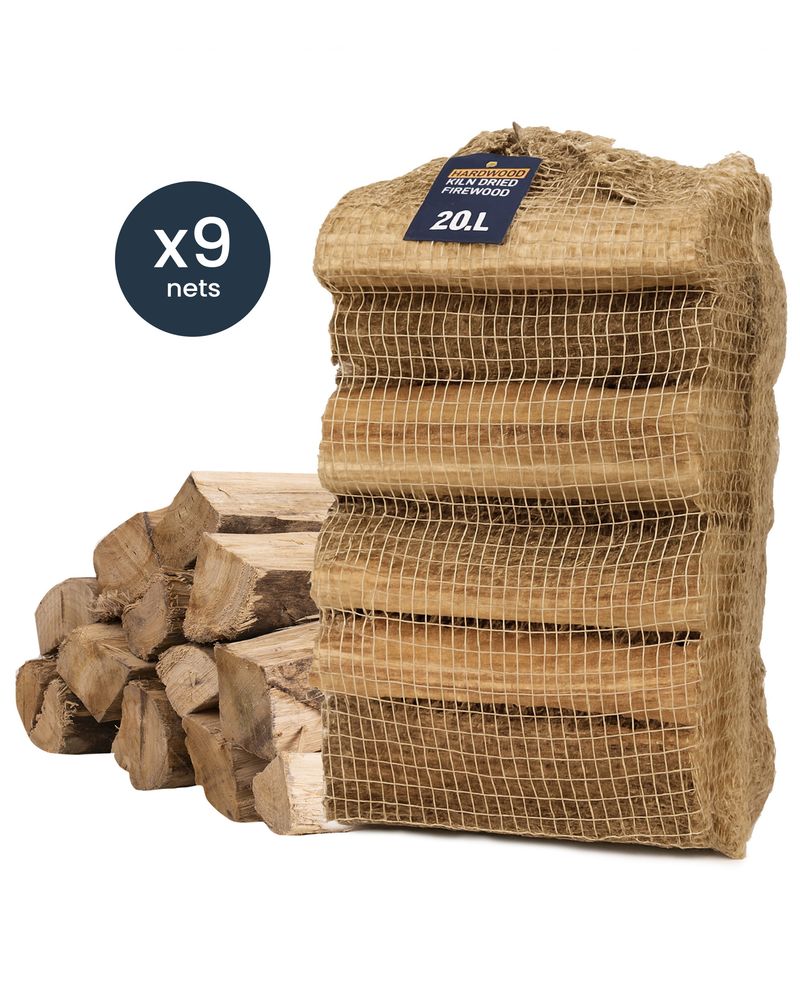 63% off
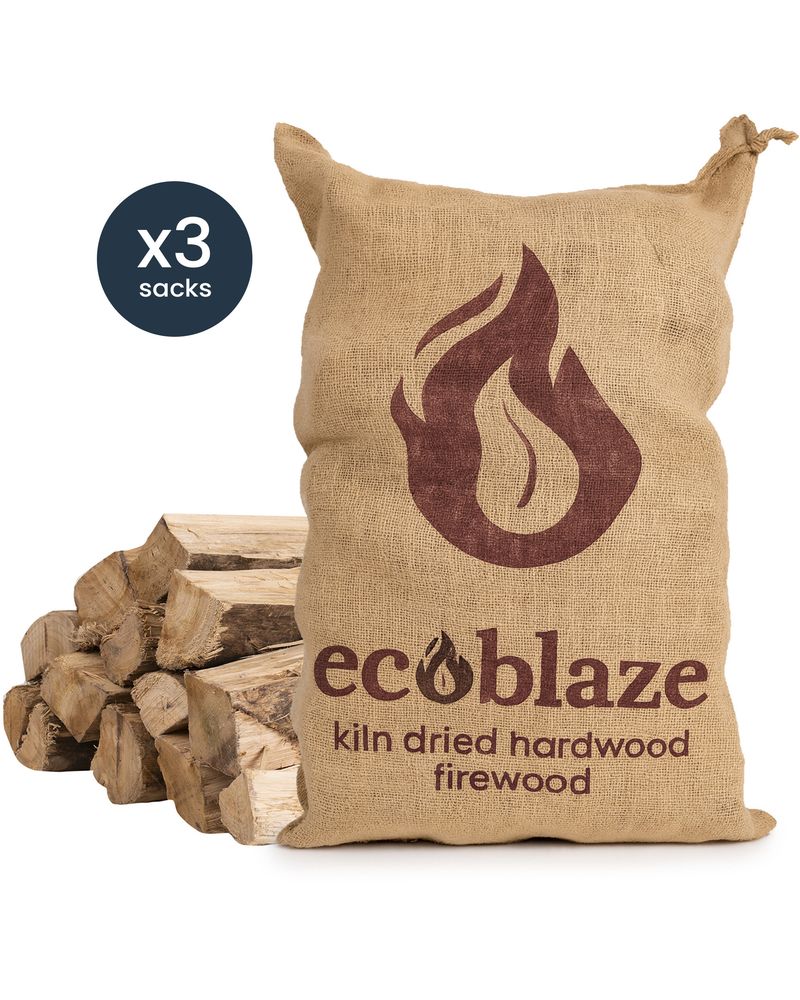 39% off
Fast & Free Delivery
We offer only next-working-day service, free for all non-surcharge areas.

Ready to Burn
All of our firewood and briquettes are certified 'Ready to Burn'

Trusted Retailer
We are rated Excellent on Trustpilot based on 100+ reviews.